
Kwara Unveils Livestock Commercialization Drive, commends Media Partnership
The Kwara State Government is upgrading traditional animal husbandry into a commercialized industry while building deep communication partnerships with media stakeholders to accelerate growth.
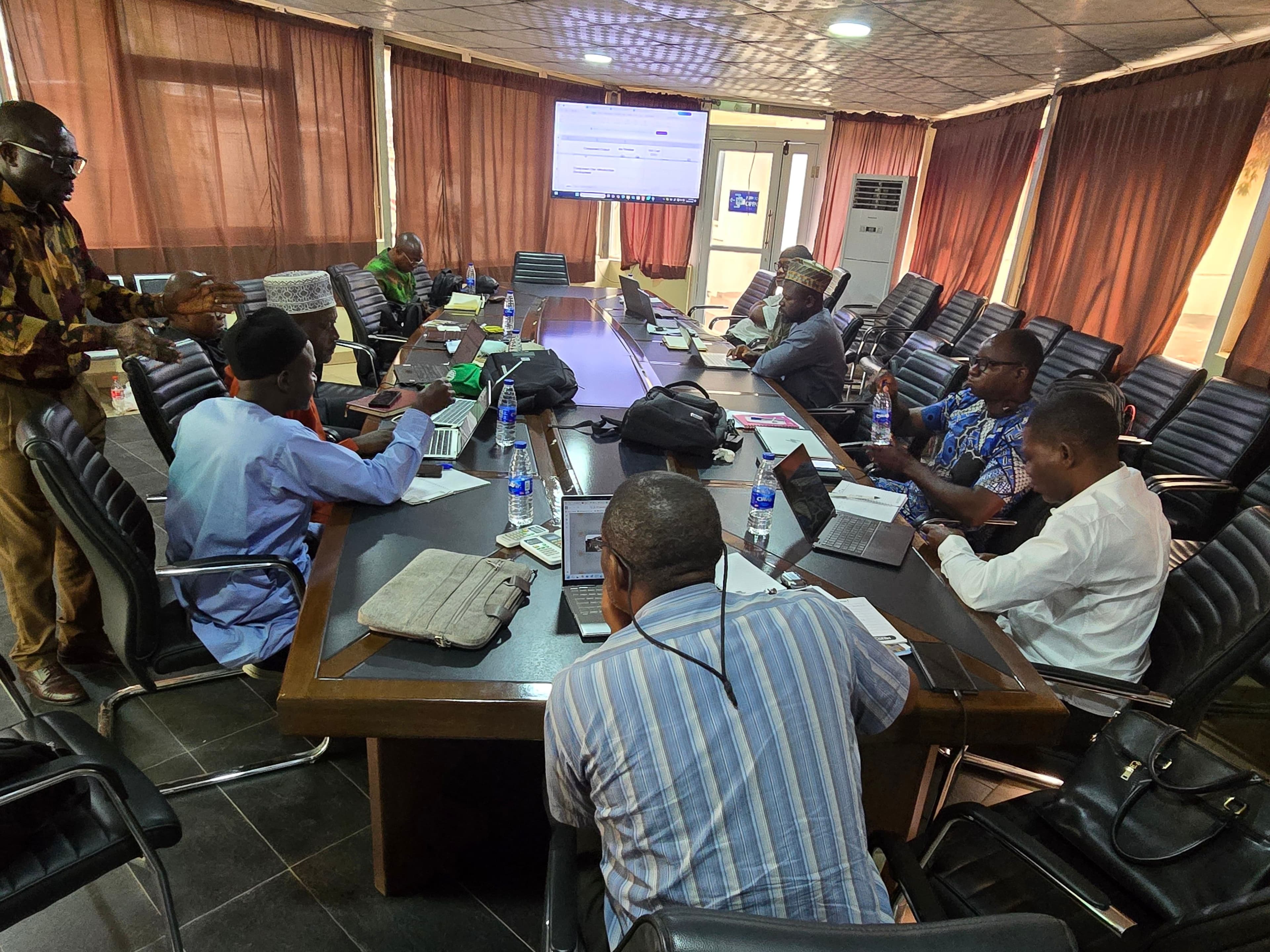
Category: announcement
•May 25, 2026
The Kwara State Government has launched a sweeping agricultural blueprint designed to upgrade its livestock sector from basic subsistence farming into a commercialized agro-industrial engine.
Announced by the State Ministry for Livestock Development, the policy framework prioritizes modern supply chain structures, improved herd yields, and regional industrial hubs.
Concurrently, state authorities emphasized that successful public execution relies on proactive media collaboration. Officials noted that public communication channels are essential for educating rural farmers, drawing in private venture capital, and disseminating information on modern husbandry techniques.
## Transforming Traditional Husbandry Through Managed Infrastructure
State planners intend to utilize nationwide agro-processing initiatives to modernize the local ranching landscape. The cornerstone of this push is the state's Special Agro-Industrial Processing Zone (SAPZ), which aims to solve structural bottlenecks for local agriculturalists.
Sub-National Value Loop Infrastructure
1. Centralized Hub: Livestock Processing Hub (SAPZ)
2. State Infrastructure Pillars:
- Off-grid Power Systems
- Integrated Cold Chain Network
3. Commercial Support Framework:
- Systematic Breed Improvement
- Pre-Vetted Corporate Off-takers
The administration's objective centers on transforming the region into a major national supply center for processed dairy and animal byproducts. Centralized processing installations within the designated zones are expected to cut waste, assure quality standards, and provide verified offtakers for smallholder pastoralists.
Amplifying Agricultural Reforms via Strategic Media Alliances
State leadership underscored that strategic media engagement acts as a force multiplier for agricultural programs. Journalists serve a vital socio-economic role by bridging the gap between state-level policy designs and grassroots farming communities.
By offering transparent, factual coverage of modern ranching schemes and climate-smart livestock practices, the media aids in dismantling legacy systemic inefficiencies while publicizing the financial benefits of commercialized husbandry to local operators.
Share on