
Kwara Outlines N14.5m Revenue Model to Lure Unemployed Youths into Dairy Sector
The Kwara State Government outlines high-yield livestock frameworks showing how youth cooperatives can pool dairy operations to generate up to N14.5 million monthly in collective revenues.
Category: press-release
•May 26, 2026
The Kwara State Government has presented a high-yield commercial framework demonstrating that cooperative clusters of young entrepreneurs can scale aggregate revenues to N14.5 million monthly by participating in state-sponsored dairy programs.
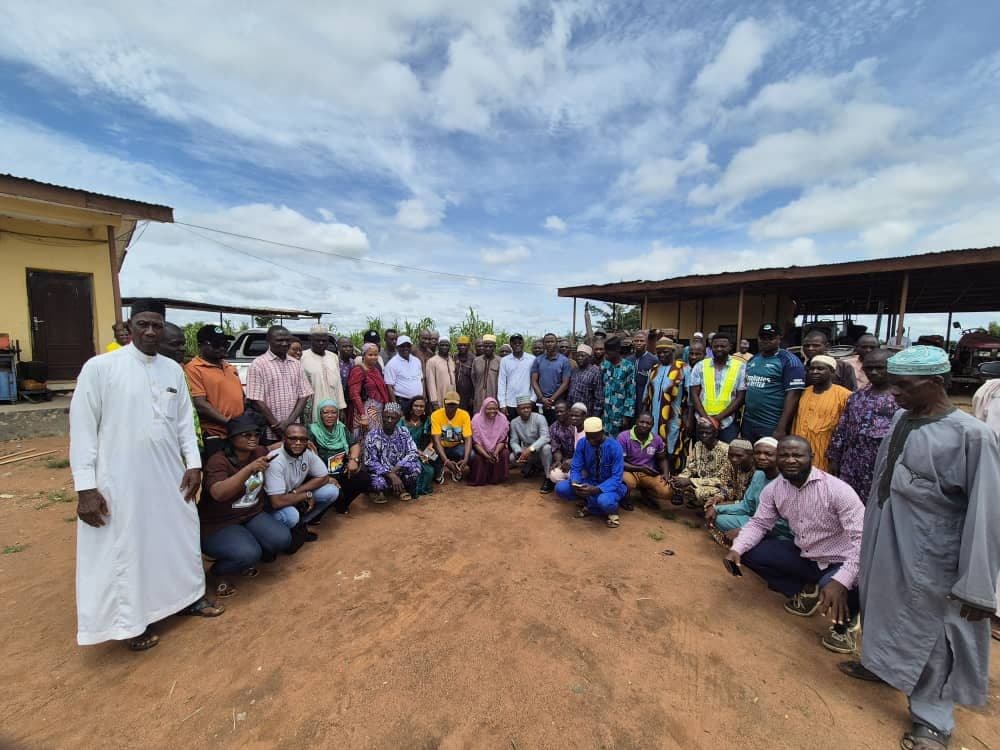
The financial projections were detailed by the State Commissioner for Livestock Development, Mrs. Oloruntoyosi Thomas, at an event highlighting agricultural industrialization as a primary antidote to sub-national youth unemployment.
Thomas indicated that the administration is pivoting away from historical subsistence herding models toward structured, investment-ready agro-allied nodes that position young citizens as self-sustaining economic drivers.
## Dismantling Youth Unemployment via Commercial Husbandry
Rather than viewing agriculture through a traditional, low-income lens, the ministry’s strategy relies on integrating the idle workforce into modern value chains. This approach addresses two critical challenges simultaneously: the rising rate of youth unemployment and Nigeria’s heavy reliance on foreign milk imports.
The state’s livestock commercialization program relies on multi-channel technical and infrastructural frameworks:
- Incentivized Dairy Hubs: Smallholder clusters are granted access to specialized grazing spaces equipped with standard pasture systems and veterinary oversight.
- Aggregated Micro-Farming: By forming structured cooperatives, youth networks can optimize milk extraction capacities and secure direct offtaker contracts with major food processors.
- Yield Optimization Economics: Data from the ministry demonstrates that a properly managed collection cluster utilizing improved cattle breeds can generate a cumulative monthly revenue cap of up to N14.5 million, transitioning participants from job seekers to macro-revenue generators.
### Scaling Sub-National Wealth Through Infrastructure
The Commissioner asserted that the financial viability of these youth cooperatives is anchored by massive state interventions, specifically the Special Agro-Industrial Processing Zone (SAPZ) and the Livestock Productivity and Resilience Support Project (L-PRES).
These initiatives provide the critical cold-chain systems and processing infrastructure required to prevent post-milking losses, which have historically undermined the earnings of rural herders.
By stabilizing the supply chain, the state ensures that youth-led dairy operations maintain peak output and consistent quality metrics required by national manufacturing buyers, thereby transforming the state’s interior into a high-growth agro-industrial zone.
Share on